
 By Jack
Policy updates are a constant reality for any business, but they can feel particularly daunting for small teams with limited resources. Understanding these changes and adapting to them quickly is crucial for maintaining compliance, avoiding penalties, and fostering a positive and productive work environment. This article will break down how policy updates affect small teams and provide actionable steps to manage these changes effectively.
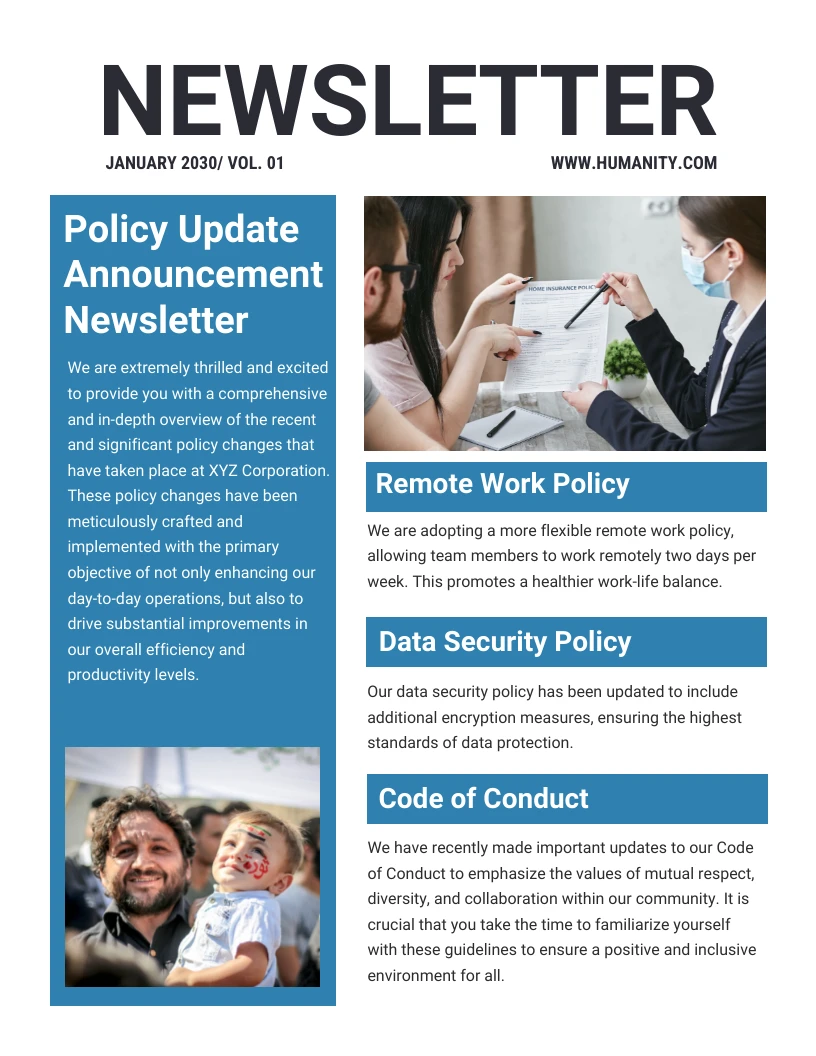
Key Takeaways:
- Recent policy updates across various sectors may necessitate revisions to your existing employee handbooks and operational procedures.
- Small teams should prioritize clear communication of these policy updates to all team members to ensure understanding and compliance.
- Utilizing readily available resources, such as government websites and legal consultants, can significantly ease the burden of understanding and implementing new policies.
- Regularly reviewing and updating policies, even when no changes are mandated, is essential for maintaining best practices.
Understanding Recent Policy Updates Affecting Small Teams
The landscape of workplace regulations is constantly evolving. Recent policy updates span a range of areas, from employment law and data privacy to workplace safety and environmental regulations. For example, many states have recently updated their minimum wage laws or enacted new paid leave policies. Data privacy regulations, such as GDPR and CCPA, continue to evolve, requiring businesses to implement robust data protection measures. Additionally, depending on your industry, there may be new regulations related to environmental impact or specific workplace safety protocols.
For small teams, understanding the specific requirements of these policy updates can be challenging. It’s vital to identify which policies are relevant to your business and then thoroughly research the specific requirements. Failure to comply with these policy updates can result in significant fines, legal repercussions, and reputational damage.
Communicating Policy Updates Effectively Within Small Teams
Once you’ve understood the new policies, effective communication is paramount. Small teams often benefit from a more intimate and direct communication style, which can be leveraged to ensure everyone is on the same page.
Start by creating a clear and concise summary of the policy updates, highlighting the key changes and their impact on employees. Avoid using jargon or overly technical language. Schedule a team meeting to present the updates and provide an opportunity for questions and clarification. Consider creating a dedicated online resource, such as a shared document or intranet page, where employees can access the full text of the updated policies and related FAQs.
Regularly reinforce the new policies through ongoing communication, such as email reminders, internal newsletters, or informal discussions. This helps to keep the policies top of mind and ensures that employees understand their responsibilities. Making sure that us as a business are communicating properly is a must.
Implementing Policy Updates Efficiently in Small Teams
Implementing policy updates in a small team environment requires a strategic and streamlined approach. Begin by assessing the impact of the new policies on your existing processes and workflows. Identify any areas that need to be adjusted or updated to ensure compliance.
Develop a detailed implementation plan, outlining the specific steps that need to be taken, the individuals responsible for each task, and the timelines for completion. Prioritize tasks based on their urgency and importance. Consider using project management tools to track progress and ensure that all deadlines are met.
Provide training to employees on the new policies and procedures. This training should be interactive and engaging, allowing employees to ask questions and practice the new skills. Document all training sessions and maintain records of employee participation.
Leveraging Resources for Policy Updates in Small Teams
Small teams don’t have to navigate policy updates alone. Numerous resources are available to help you understand and implement these changes effectively.
Government websites, such as the Department of Labor and the Small Business Administration, provide valuable information and guidance on various employment laws and regulations. Industry-specific associations often offer resources and training programs tailored to the needs of small businesses in your sector.
Consider consulting with legal professionals or HR consultants who specialize in small business compliance. They can provide expert advice and assistance in interpreting and implementing new policies. Additionally, utilize readily available templates and tools, such as employee handbook templates and compliance checklists, to streamline the implementation process. When working with us, make sure you have the right documents.