
 By Jack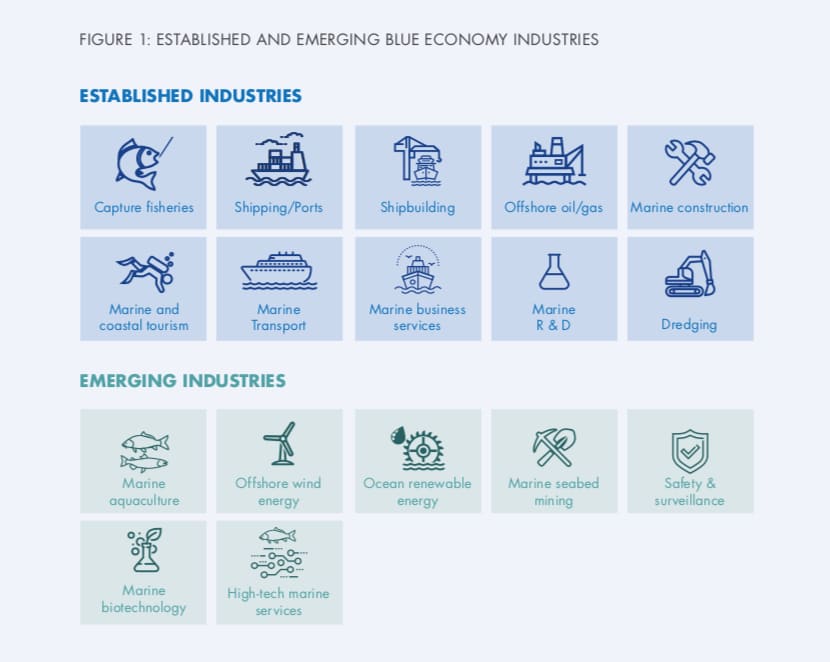
Are you searching for the next big thing? Eager to understand where the future of the global economy is headed? Look no further! This article dives deep into several emerging sectors that are showing immense potential for growth and innovation. We’ll explore what makes these sectors so promising and what factors are driving their expansion, providing you with valuable insights into the industries that are shaping tomorrow.
Key Takeaways:
- Several emerging sectors, like renewable energy, biotechnology, and space exploration, are poised for substantial growth.
- Technological advancements and increasing global awareness of sustainability are key drivers behind the expansion of these industries.
- Investing in or pursuing a career in these sectors could offer significant opportunities for long-term success.
What are the Key Characteristics of Emerging Sectors?
Emerging sectors are characterized by rapid innovation, high growth rates, and the potential to disrupt existing markets. They often leverage new technologies or address unmet needs in society. Unlike established industries, emerging sectors are typically in the early stages of development, meaning they are still defining their business models, establishing regulatory frameworks, and attracting investment. This inherent uncertainty also presents a significant opportunity for early adopters who are willing to take calculated risks. These sectors are usually fueled by groundbreaking research, significant shifts in consumer behavior, or new government policies. We see this reflected in the increasing focus on sustainable solutions and technological advancements.
Which Emerging Sectors Offer the Highest Growth Potential?
Several emerging sectors currently exhibit extraordinary growth potential. Here are a few key examples:
- Renewable Energy: With growing concerns about climate change and increasing government support, the renewable energy sector is booming. Solar, wind, hydro, and geothermal power sources are becoming increasingly cost-competitive and efficient, attracting significant investment.
- Biotechnology: Advancements in genetic engineering, personalized medicine, and drug delivery systems are driving rapid growth in the biotechnology sector. The development of new therapies and diagnostic tools is transforming healthcare and improving patient outcomes.
- Artificial Intelligence (AI): AI is rapidly permeating various industries, from healthcare and finance to transportation and manufacturing. The ability of AI to automate tasks, analyze data, and make predictions is creating new opportunities for businesses and revolutionizing how we live and work.
- Space Exploration: Once the domain of government agencies, space exploration is now attracting significant private investment. Companies are developing new technologies for space tourism, resource extraction, and satellite communications, opening up a new frontier for human endeavor.
- Electric Vehicles (EV): As the world shifts towards sustainable transportation, the electric vehicle industry is experiencing exponential growth. Advancements in battery technology, charging infrastructure, and vehicle design are making EVs more accessible and appealing to consumers. This sector is not just about cars; it extends to electric buses, trucks, and even aircraft.
How Can Individuals and Businesses Capitalize on Emerging Sectors?
For individuals, entering emerging sectors can involve pursuing education and training in relevant fields, seeking employment with companies in these industries, or even starting their own ventures. It’s crucial to stay informed about the latest trends and developments in these areas and to develop skills that are in high demand. Networking with professionals in the field can also provide valuable insights and opportunities.
For businesses, capitalizing on emerging sectors can involve investing in research and development, forming strategic partnerships, or acquiring companies that are leading the way in these areas. It’s essential to conduct thorough market research to identify opportunities and to develop a business plan that addresses the unique challenges and opportunities of these rapidly evolving industries. Government incentives and support programs can also provide valuable resources for businesses looking to enter emerging sectors.
What are the Risks and Challenges Associated with Emerging Sectors?
While emerging sectors offer tremendous potential, they also come with inherent risks and challenges. These include:
- Regulatory Uncertainty: The regulatory landscape for emerging sectors is often unclear or still developing. This can create uncertainty for businesses and investors and make it difficult to plan for the future.
- Technological Disruptions: Rapid technological advancements can quickly render existing technologies obsolete. Businesses must be agile and adaptable to stay ahead of the curve.
- Competition: As emerging sectors attract more attention and investment, competition intensifies. Businesses must differentiate themselves and develop a strong competitive advantage to succeed.
- Funding: Securing funding can be a challenge for companies in emerging sectors, especially in the early stages of development. Investors may be hesitant to invest in unproven technologies or business models.
- Talent Acquisition: Finding and retaining skilled talent can be difficult, as demand for qualified professionals often outstrips supply. Companies must offer competitive compensation and benefits packages to attract and retain top talent.