
 By Jack
Launching a new product or service is exciting, but it’s also fraught with risk. Many startups fail because they build something nobody wants. How can you avoid this pitfall? The answer lies in a well-defined and executed market fit plan.
Key Takeaways:
- A strong market fit plan minimizes the risk of launching a product no one needs.
- Understanding your target audience and their needs is paramount to achieving product-market fit.
- Continuous iteration and feedback are essential components of a successful market fit plan.
- Focus on solving a real problem for your customers.
What is a Market Fit Plan and Why Do You Need One?
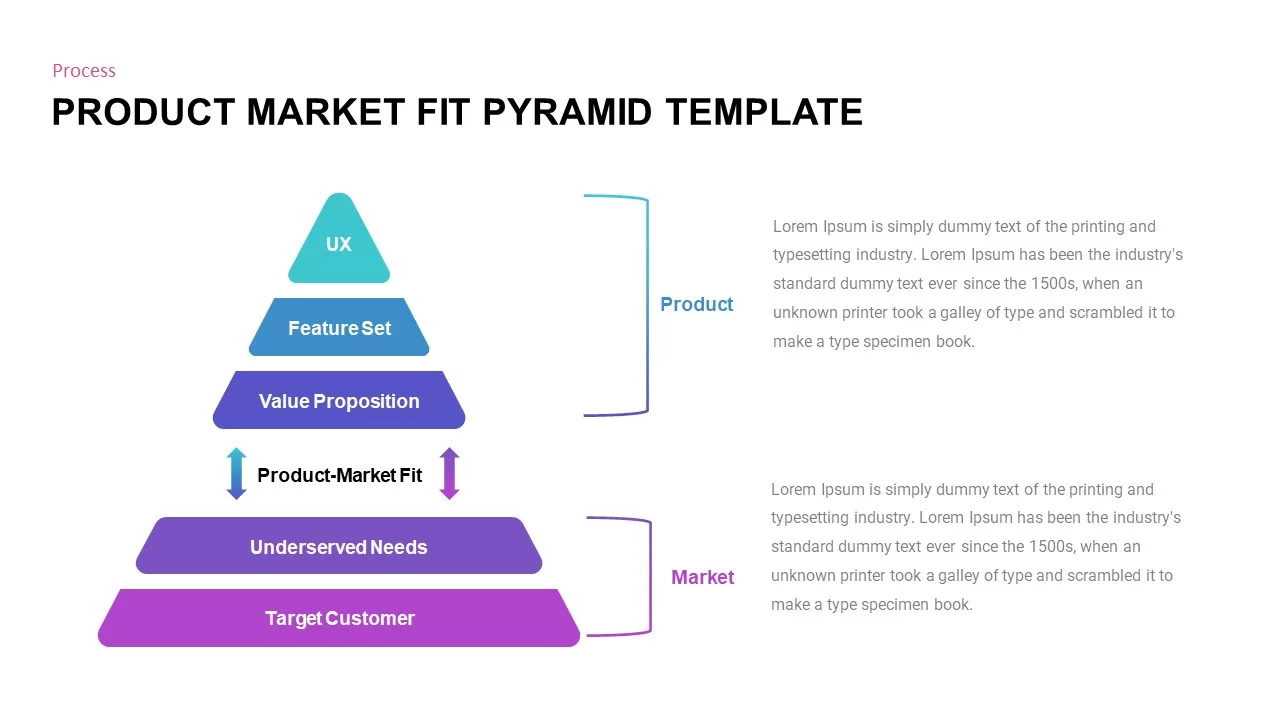
A market fit plan is a strategic framework that outlines the steps you’ll take to validate your product or service idea and ensure it resonates with a specific target audience. It’s about proving that there’s a genuine demand for what you’re building before you invest significant time and resources. It’s not just about having a great idea; it’s about understanding if that idea solves a real problem for enough people who are willing to pay for it. Without a solid plan, you’re essentially guessing, and that’s a risky strategy when starting any business. This plan guides us in understanding who our customers are, what their pain points are, and how our product effectively addresses those pain points better than existing alternatives. It’s the roadmap that helps us move from an initial concept to a product that people love.
Building Your Market Fit Plan: Key Steps
Creating an effective market fit plan involves several critical steps:
- Identify Your Target Audience: Clearly define who you’re building this product for. What are their demographics, psychographics, and behaviors? The more specific you are, the better. Create detailed buyer personas that represent your ideal customers. Understanding your target audience means knowing their needs, their desires, and the problems they face daily.
- Conduct Thorough Market Research: Once you know who you’re targeting, conduct thorough market research to understand the competitive landscape, market size, and potential demand. Tools like surveys, interviews, and online analytics can provide valuable insights. Analyze existing solutions and identify gaps in the market that your product can fill. The purpose of market research is to understand if there’s a profitable business opportunity and if you can serve the market effectively.
- Develop a Minimum Viable Product (MVP): An MVP is a basic version of your product with just enough features to attract early adopters and validate your core assumptions. It’s about getting something tangible into the hands of your target audience as quickly as possible. Focus on the core functionality that solves the most pressing problem for your users. This allows us to gather feedback and iterate quickly without wasting resources on features that may not be needed.
- Gather Feedback and Iterate: The most crucial step is gathering feedback from your MVP users. Use surveys, interviews, and analytics to understand what they like, what they don’t like, and what improvements they suggest. Use this feedback to iterate on your product and make the necessary adjustments. This process of continuous improvement ensures that you’re building a product that truly meets the needs of your target audience. Remember that product development is an iterative process, not a one-time event.
Validating Your Market Fit Plan
Validating your market fit plan is an ongoing process that requires constant monitoring and analysis. Look for key indicators such as customer acquisition cost (CAC), customer lifetime value (CLTV), churn rate, and Net Promoter Score (NPS). Are you able to acquire customers at a sustainable cost? Are customers staying with your product long enough to justify the investment in acquiring them? Are they recommending your product to others? These metrics will give you a clear picture of whether you’re on the right track. Also, pay attention to qualitative feedback. What are customers saying about your product in reviews, social media, and customer support interactions? This qualitative data can provide valuable insights that quantitative metrics may miss. Regularly review your market fit plan and make adjustments as needed based on the data you collect.
Common Pitfalls to Avoid in Your Market Fit Plan
Even with a well-defined market fit plan, there are common pitfalls that can derail your efforts. One of the biggest mistakes is failing to clearly define your target audience. If you’re trying to appeal to everyone, you’ll end up appealing to no one. Another common mistake is ignoring customer feedback. It’s tempting to stick to your original vision, but if customers are telling you something isn’t working, you need to listen. Also, avoid feature creep. Resist the urge to add too many features too soon. Focus on the core functionality that solves the most important problem for your users. Furthermore, don’t be afraid to pivot if necessary. If your initial market fit plan isn’t working, be willing to change your product, your target audience, or even your entire business model. The key is to remain flexible and adaptable. By avoiding these common pitfalls, you’ll significantly increase your chances of achieving product-market fit.