
 By Jack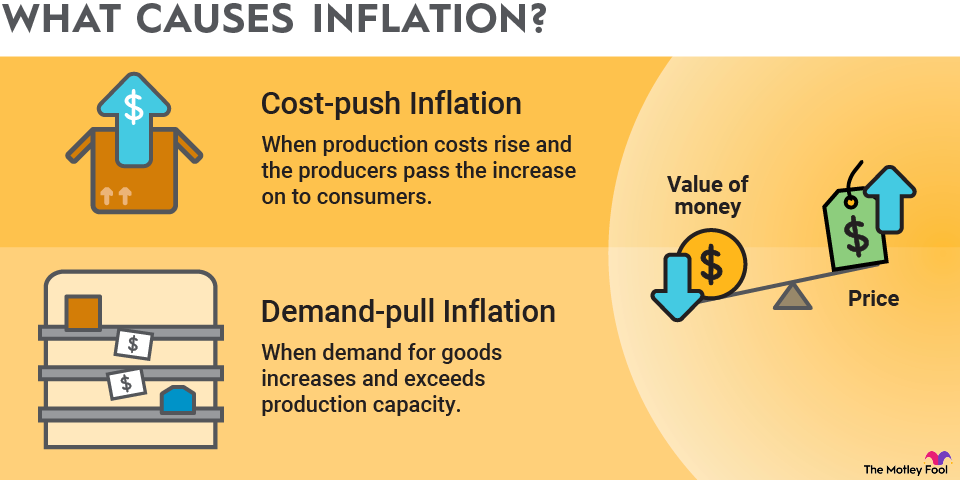
Inflation: How It Shapes Business Choices

Key Takeaways:
- Inflation forces businesses to reassess pricing strategies to maintain profitability.
- Effective cost management and operational efficiency become crucial for survival during inflationary periods.
- Strategic investment decisions and supply chain adaptations are necessary to mitigate the inflation impact.
Inflation, that persistent rise in the general price level of goods and services, isn’t just a concern for consumers filling their grocery carts. It’s a significant force that dramatically reshapes the landscape for businesses of all sizes. From the corner store to multinational corporations, inflation forces leaders to make tough choices about pricing, costs, investments, and supply chains. These decisions can determine whether a business thrives, merely survives, or, unfortunately, fails. Understanding the nuances of how inflation operates and proactively adapting to its pressures are crucial for long-term success in today’s dynamic economic environment. The purpose of this article is to explore how inflation impact on business choices.
Understanding the Inflation Impact on Pricing Strategies
One of the most immediate effects of inflation is the pressure it puts on pricing. As input costs – raw materials, labor, transportation – increase, businesses face a difficult decision: absorb those costs and accept lower profit margins, or pass them on to customers in the form of higher prices. Striking the right balance is key. Raise prices too much, and you risk losing customers to competitors who haven’t increased their prices as dramatically. Don’t raise prices enough, and you risk eroding your profitability and jeopardizing your long-term financial health.
Several factors influence a company’s pricing strategy during inflationary periods. These include the price elasticity of demand for their products or services (how sensitive customers are to price changes), the competitive landscape, and the overall strength of the brand. Businesses with strong brand loyalty may have more leeway to raise prices without significantly impacting sales volume. Businesses operating in highly competitive markets, however, may need to be more cautious. Dynamic pricing, a strategy that involves adjusting prices in real-time based on market conditions and demand, can be a useful tool in managing inflation. Analyzing competitor pricing, monitoring consumer behavior, and implementing flexible pricing models can help businesses stay ahead of the curve and optimize their revenue. Ultimately, the goal is to find a pricing strategy that allows the business to maintain profitability while remaining competitive and attracting customers. This requires careful analysis, strategic planning, and a willingness to adapt to changing market conditions. We have to consider the impact on consumers and our profit margins when establishing a pricing strategy during inflationary periods.
Adapting Cost Management Strategies to the Inflation Impact
Beyond pricing, effective cost management is essential for businesses to weather the storm of inflation. Cutting costs, improving efficiency, and streamlining operations can help offset the impact of rising input prices and protect profit margins. This may involve renegotiating contracts with suppliers, investing in automation to reduce labor costs, optimizing energy consumption, or finding more cost-effective ways to deliver products or services.
One effective strategy is to focus on waste reduction. By identifying and eliminating inefficiencies in their operations, businesses can significantly reduce their costs. This could involve improving inventory management, reducing energy waste, or streamlining production processes. Another key area is supply chain optimization. By working closely with suppliers to negotiate better prices and terms, businesses can reduce their procurement costs. They may also consider diversifying their supplier base to reduce their reliance on any one source and mitigate the risk of supply chain disruptions. It’s a crucial element of navigating the inflation impact. Businesses need to invest in technology and innovation to automate tasks, improve efficiency, and reduce costs. This could involve implementing new software systems, adopting advanced manufacturing technologies, or developing new products or services that are more cost-effective to produce.
Making Strategic Investment Decisions Under the Inflation Impact
Inflation also has a significant impact on investment decisions. Businesses need to carefully evaluate the potential returns on investment in light of rising costs and uncertainty about future economic conditions. Investing in assets that are likely to appreciate in value during inflationary periods, such as real estate or commodities, can be a way to protect capital and generate returns.
However, it’s important to carefully assess the risks involved in any investment and to diversify investments to reduce overall risk. Capital expenditures require careful consideration. Replacing old equipment with more energy-efficient models can lead to long-term cost savings. Investing in research and development to create new products or services can provide a competitive edge and generate future revenue streams. The key is to prioritize investments that offer the greatest potential for long-term growth and profitability. The inflation impact needs to be considered. Inflation can erode the value of cash over time, so businesses may want to consider investing excess cash in assets that are likely to appreciate in value.
Reshaping Supply Chain Strategies Due to the Inflation Impact
Supply chains are particularly vulnerable to the effects of inflation. Rising transportation costs, raw material shortages, and disruptions to global trade can all contribute to increased costs and delays. Businesses need to proactively manage their supply chains to mitigate these risks. This may involve diversifying their supplier base, building larger inventories of critical materials, and investing in technology to improve supply chain visibility and coordination. Reshoring or nearshoring production can also help reduce transportation costs and improve supply chain resilience. These strategies can provide greater control over the supply chain and reduce reliance on distant suppliers.
Building strong relationships with suppliers is also crucial. By working closely with suppliers to negotiate better prices and terms, businesses can reduce their procurement costs. They may also consider entering into long-term contracts with suppliers to lock in prices and ensure a stable supply of critical materials. It’s vital to address the inflation impact. Investing in technology to improve supply chain visibility and coordination is essential for managing risk and ensuring a smooth flow of goods. This could involve implementing a supply chain management system, using data analytics to identify potential disruptions, or using blockchain technology to improve transparency and traceability.